Across the U.S. more states are banning artificial food dyes from school meals. West Virginia is the latest to join California, Virginia, and over 20 other states in phasing out these additives. Concerns about their possible impact on children’s health and development are driving the change. Here’s what’s behind the movement, and what it could mean for school food and child nutrition.
Why Are Food Dyes Under Fire?
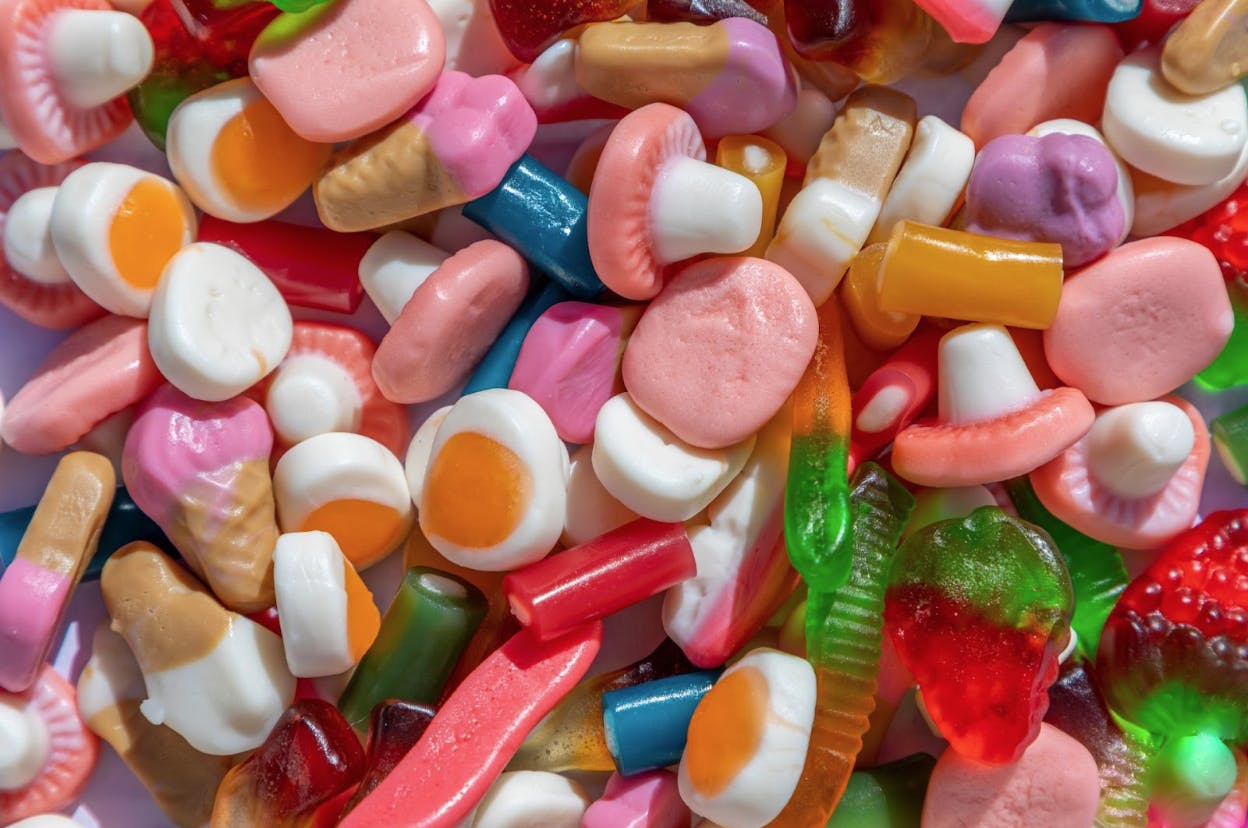
Synthetic food dyes are made from petroleum to create bright, appealing colors. Many studies, most prominent of all being California’s Office of Environmental Health Hazard Assessment’s (OEHHA) report in 2021, have revealed colorants’ worrying effects on children’s behavior: seven of the most common food dyes—Blue 1, Blue 2, Green 3, Red 3, Red 40, Yellow 5, and Yellow 6—worsen neurobehavioral problems and Attention Deficit/Hyperactivity Disorder (ADHD) in some children.
One study revealed that Blue 2, Green 3, and Red 3 and 40 are seemingly related to cancer or tumors in animals. Blue 1 and Yellow. 6 may also be toxic to human cells. Another study revealed Yellow 5 may cause sensitive children to be irritable.
All these, plus the Health Secretary Robery F. Kennedy Jr.’s push for making America healthy again and banning ultraprocessed food nationwide, pushed lawmakers to ban food dyes in schools.
State-level Movement: Why States are Banning Food Dyes
California first banned school dyes in 2023, prohibiting Red 3 statewide and six other common dyes in school foods. The Food and Drug Administration later followed in January this year, banning Red 3 on a federal level.
Virginia followed in March this year, banning colorants from school food, taking effect in 2027. West Virginia recently did so, passing the most sweeping law yet. It’s the first state to ban seven dyes and two preservatives in schools. In April, RFK Jr. announced more dyes will be banned until 2026.
Across the country, 23 states have introduced similar bills. Hawaii, Iowa, Louisiana and Massachusetts for example have all passed their own state-wide bills seeking to ban specific colorants from school foods.
Other states such as Florida and Missouri push the motion to the senate level. Many lawmakers, Democratic or Republican, call back RFK, Jr.’s “Make America Healthy Again” slogan, showing the nationwide support for child nutrition and healthier eating habits in children.
What this means for school food
For affected schools, these new laws mean reformulating common snacks, cereals, desserts, and drinks often served or sold in schools. Common sugary snacks and drinks like sodas may no longer be allowed in schools because of their food dye content. Schools will need to vet suppliers for compliance. It may also bring budget and access challenges, driving costs and pushing ultraprocessed foods off school menus.
While this may present challenges for administrators, removing food dyes from school food are poised to benefit children in the long run.
Potential benefits for child nutrition
Multiple studies spanning decades support that removing dyes in food improve children’s focus and behavior. For one, food and beverages with dyes have 141% more sugar in them. This means less sugar in dyed food, which translates to lower behavioral problems and reduced risk of weight gain in children who reduce consumption.
In one 2004 study, removing artificial colors reduced hyperactive behavior in preschool children, even in those not diagnosed with ADHD. It also lowers children’s exposure from harmful additives, which is especially crucial for children in their developmental years. It could affect their behavior, growth, etc (source/expound)
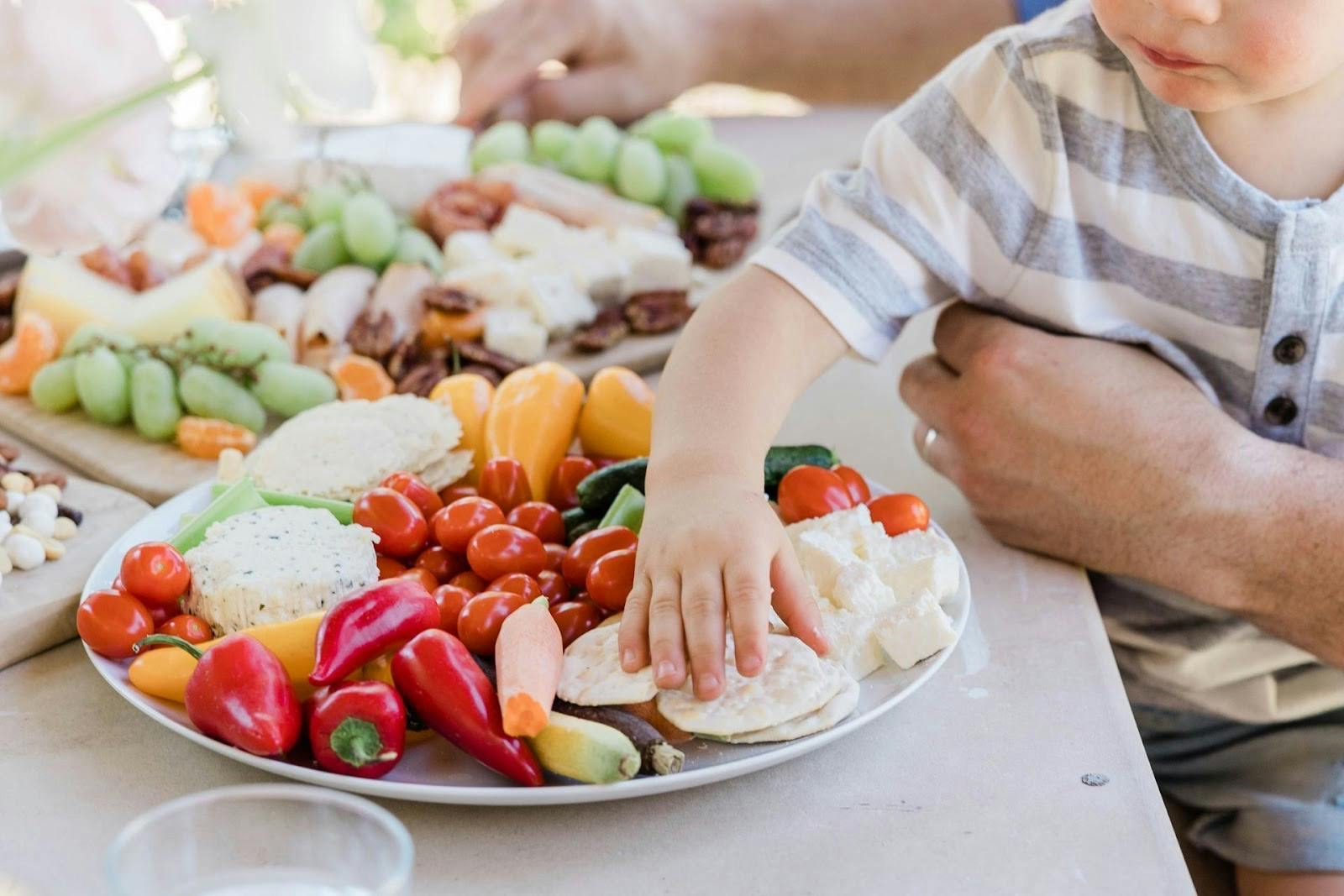
Making food dyes inaccessible to children also supports building healthier eating habits. Focusing on eating whole foods rather than ultraprocessed foods with colorants This can shift the focus from eating ultraprocessed foods with colorants to eating less processed, more nutrient-dense foods made from scratch. When compounded it could lead to improved overall health and eating habits children can carry into their adulthood and later affect their health as adults.
Lastly, children from low-income neighborhoods benefit more from the improved food quality. Many students get a large proportion of their daily nutrient needs from subsidized school meals. Banning food dyes in school food improves its quality, making accessible meals healthier.
What’s Next for Child Nutrition and School Meals
Recognizing the negative effects of food dyes on child nutrition is only the first step. Tackling ultraprocessed foods and other unhealthy foods comes next. We can expect more states to pass similar bills and for the FDA to acknowledge the growing movement and make a decision.
In the meantime, schools in states that banned food colorings would have to reassess their menus, vendor contracts, and meal costs. While it may seem an inconvenience, it’s a win for child nutrition. More students may eat whole foods and teachers may see students participating more in class and being extra attentive. In the long run, this may result in better student outcomes.
Provide Healthy Meals to Students with Ordo
Prohibiting food dyes may be a huge shift for school cafeterias, but it doesn’t have to be difficult. Ordo can help schools meet shifting food regulations while providing children the nutrition they need to perform in school. As a trusted food service provider across America, we simplify providing students with compliant, healthy meals every day.
Ordo has become America's fastest-growing school food program, providing fresh meals made from scratch every day in our kitchens. Our chefs focus on cooking homestyle food that’s both nutritious and what students love. Healthy meals result in better student outcomes, and administrators who invest in their nutrition programs invest in their schools.
Our online platform automates compliance paperwork for reimbursable meals, tracks essential metrics like daily participation rate, and handles all payment and order processing. We have served all types of schools, from preschools and daycare centers to private and public schools.
If you’re interested in providing fresh, healthy food for your school, you can reach out to the school partnerships team here.